\n
\n\n\n
\n\n
\n\n
\n\n
\n\n \n\n
\n\n
\n\n
\n\n
\n\n
\nLION'S MANE MUSHROOM:
\nlion’s mane is one of the most mainstream and popular mushrooms on the market. shown to stimulate neuroplasticity, memory, focus and overall brain health, lion’s mane contains two special compounds that can stimulate the growth of brain cells: hericenones and erinacine.
in addition, animal studies have found that lion’s mane extract can improve the functioning of the hippocampus, a region of the brain responsible for processing memories and emotional responses. this may explain the effects of lion’s mane on improved mood, decreasing resistance to new habit forming and influence on depression. lion’s mane may also help prevent neuron damage caused by amyloid-beta plaques, which is an area of interest for alzheimer's and dementia therapy.
\n
\n
\n\n\n
\n\n
\n\n
\n\n
\n\n \n\n
\n\n
\n\n
\n\n
\n\n
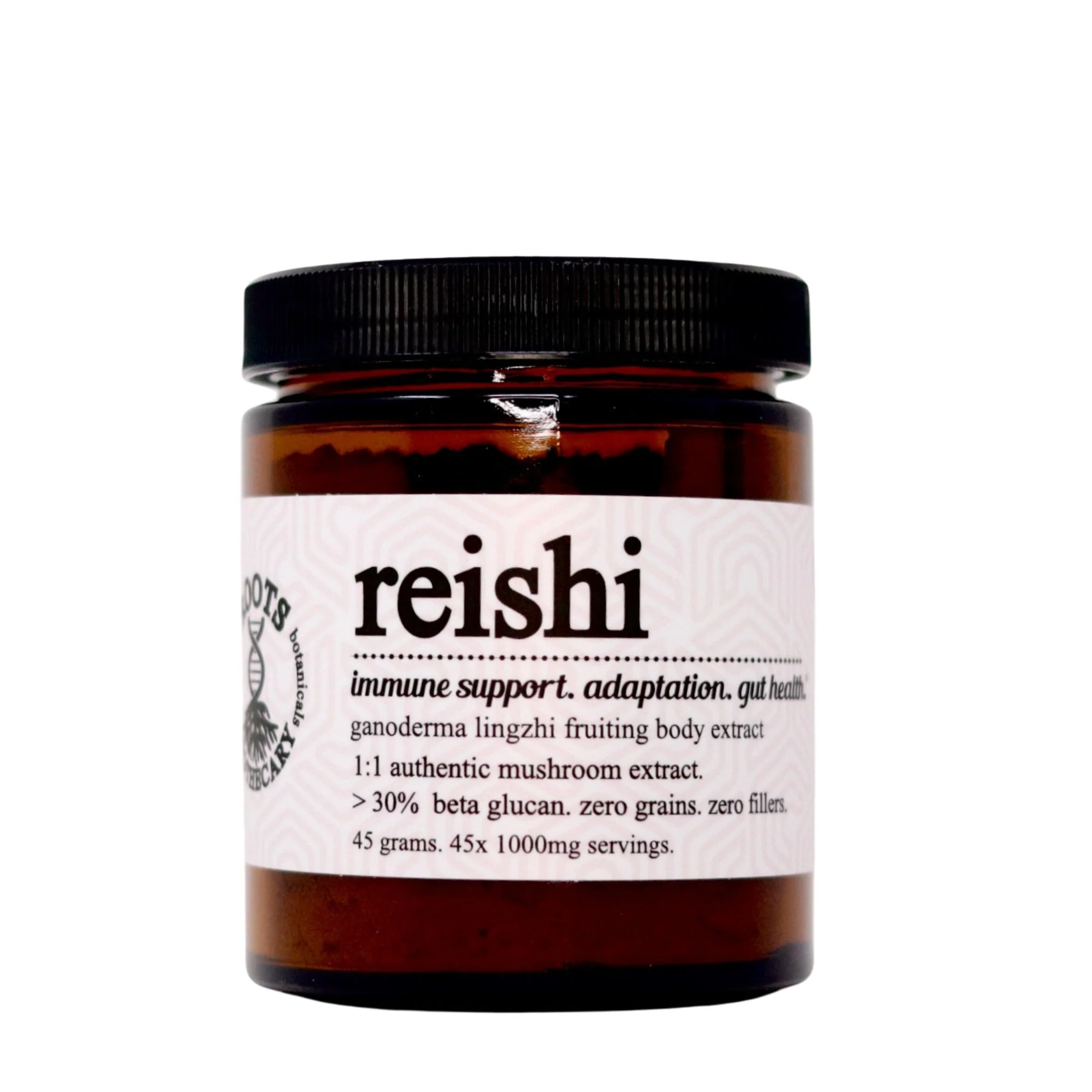
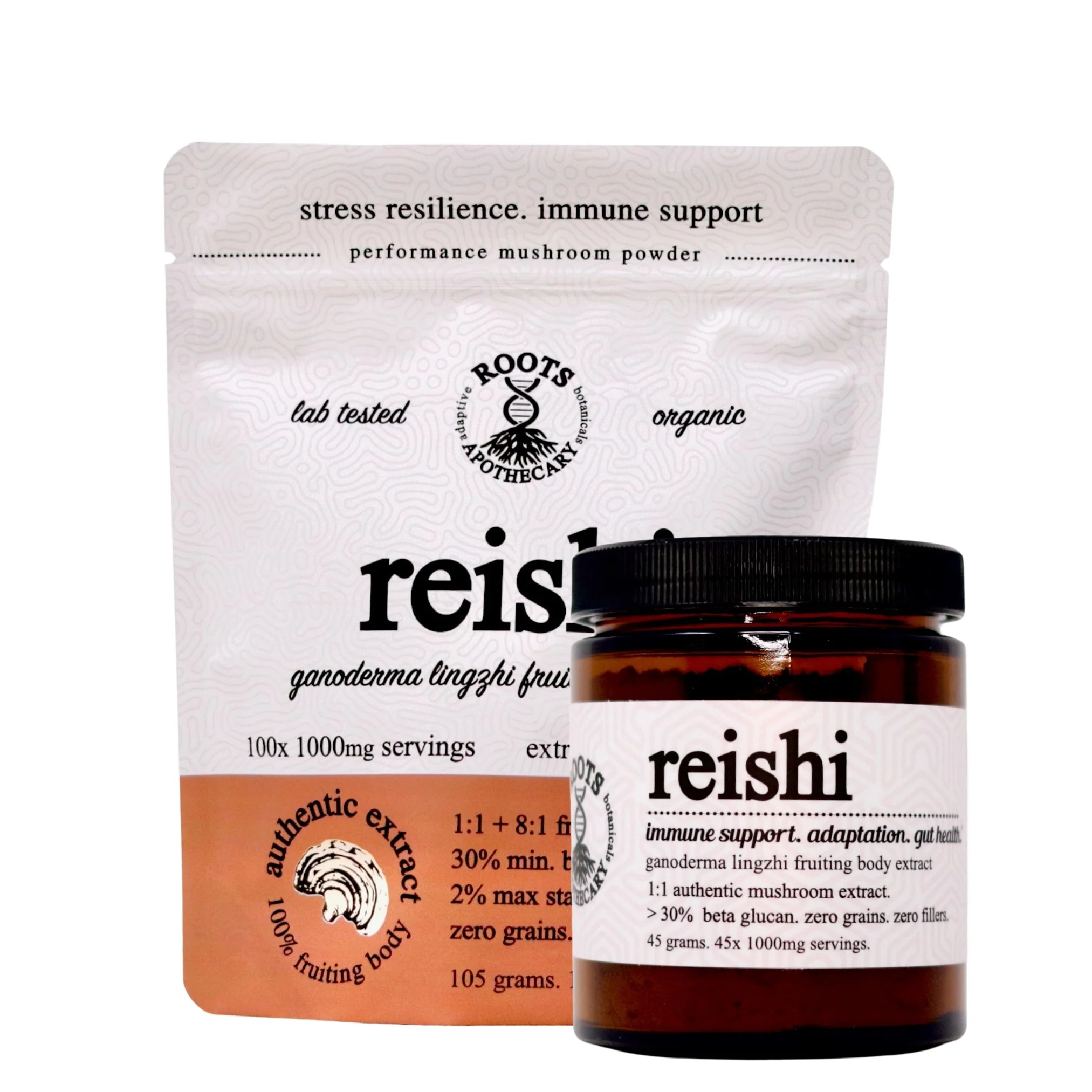
\nREISHI MUSHROOM:
\nreishi is very diverse in benefits with high anti-oxidant, anti-inflammatory, anti-anxiety and immune boosting properties. reishi is considered an adaptogen for its ability to calm the fight or flight response, strengthening resilience in both physically and mentally stressful situations.
reishi is additionally known for its potential benefits to the kidneys and liver by reducing inflammation and reducing erosion of the nephron outer membrane (decreasing kidney permeability).
reishi’s immune supporting properties are well rounded, including promoting the innate immune function, humoral immunity, and cellular immunity. in particular, reishi extract may improve the function of B and T lymphocytes, dendritic cells, macrophages, and natural killer cells.
\n\n
\n
\n\n\n
\n\n
\n\n
\n\n
\n\n \n\n
\n\n
\n\n
\n\n
\n\n
\nCORDYCEPS MUSHROOM:
\ncordyceps is known for supporting mental and physical performance and is especially popular in the athlete community. this mushroom (which is technically not a mushroom) supports healthy adrenal function while increasing ATP and VO2 (peak oxygen uptake during exercise). cordyceps is highly recognized for helping improve acute and chronic fatigue and is often paired with lion’s mane to promote creative focus. studies have associated cordyceps supplementation with increasing activity of catalase (CAT), superoxide dismutase (SOD) and glutathione peroxidase (GPx) making it a powerful anti-oxidant as well.
\n\n
\n
\n\n
\nwe do it right.
\n\n
\n\n
\nall roots apothecary mushroom extracts are certified organic and lab tested to verify beta-glucan content and therapeutic compounds. our mushrooms are grown on native substrates and are always extracted from the fruiting body. if you’re wanting the powerful benefits of performance mushrooms, choose organic extracts from the fruiting body to maximize both therapeutic compounds and bioavailability.
\n\n
\n\n
\nextracts are better.
\n\n
\n\n
\nmushrooms are often dried and ground into a powder. this is the cheapest way to produce a supplement, but it provides the least health benefits. essential beta-glucans need to be extracted from the cell walls of a mushroom. these cells are made of an indigestible fiber called chitin. the human body can’t easily absorb chitin, and so the beta-glucans end up passing through rather than being absorbed. extracts break down chitin, making beta-glucans available for absorption.
\n\n
\n\n
\nfruiting body has the good stuff.
\n\n
\n\n
\nmost commercial mushroom growers use a grain substrate. as mycelium expands, it attaches and becomes inseparable from the grain to create one product called “mycelium biomass”. there’s a big problem with this. how much mycelium and how much grain is in the biomass? this varies widely and depends entirely on the grower. if mycelium biomass is pulled for product making as soon as mycelium expands through the grain, you will get far more grain than mycelium. if the grower allows this process to continue, the amount of mycelium will increase. however, even at its strongest, mycelium biomass will contain anywhere between 30%-40% grain. mycelium pulled early for faster product making may have anywhere from 40%-70% grain content. this means 1000mg reishi mushroom (for example) in the form of mycelium biomass can be anywhere from 300mg - 700mg grain. depending on the price, you may tremendously overpay for this product and you definitely won't receive the therapeutic potential of reishi mushroom. here’s the ultimate problem, the product label will probably just say “1000mg reishi mushroom” without any indicator of whether it's mycelium or fruiting body. if it’s mycelium, you probably won't be informed about how much pure mycelium you’re getting and how much grain you’re getting in that 1000mg serving.
\n\n
\n\n
\na boom and bastardization.
\n\n
\n\n
\nmushrooms have been around for a long time. the greeks labels mushrooms as “food for the gods” and hippocrates, circa 450bc, classified mushrooms as a potent anti-inflammatory. there are countless examples of mushrooms being recognized for their medicinal properties throughout history. performance mushrooms are becoming very popular in modern holistic health and western medicine for their and ability to calm the stress response, reduce inflammation, promote neurogenesis and plasticity, strengthen beneficial gut flora, support the immune system, fight pathogens, increase sustainable energy and much more. like most natural remedies that go mainstream, the mushroom industry is flooded with low-quality products that test low in beta-glucan and active compounds. when a mushroom tests high in polysaccharides, but low in beta-glucan content, it's basically an exotic potato. high in starch, low in therapeutic value, and deceptive above all. while the booming popularity of performance mushrooms is bringing mainstream attention to these healing enigmas, the bastardization of quality and authenticity makes it difficult to find a product that packs the therapeutic benefits found in nature. if you’re interested in the benefits of mushrooms, you should know what you’re getting.
\n\n
\n","image":["/images/gimmethegoodstuffliving.shop/images/product/elemental-mushroom-blend-1.jpg","/images/gimmethegoodstuffliving.shop/images/product/elemental-mushroom-blend-2.jpg","/images/gimmethegoodstuffliving.shop/images/product/elemental-mushroom-blend-3.jpg","/images/gimmethegoodstuffliving.shop/images/product/elemental-mushroom-blend-4.jpg","/images/gimmethegoodstuffliving.shop/images/product/elemental-mushroom-blend-5.jpg"],"sku":"elemental-mushroom-blend","brand":{"@type":"Brand","name":"Gimme the Good Stuff"},"offers":{"@type":"AggregateOffer","lowPrice":16.2,"highPrice":16.2,"priceCurrency":"USD","availability":"https://schema.org/InStock","url":"https://gimmethegoodstuffliving.shop/products/elemental-mushroom-blend","offerCount":1}}\n
\nfruiting body - contains 2x-3x higher concentrations of beta-glucans and active compounds. contains no grain substrate.
\nmycelium biomass - an inseparable block of oat substrate and mycelium network. contains 30%-70% oats and 30% - 80% mycelium. the entire block is processed for product making and is significantly weaker in beta glucan and active compounds than the fruiting body.
\nRoots Apothecary Elemental Mushroom Blend
LION'S MANE MUSHROOM:
lion’s mane is one of the most mainstream and popular mushrooms on the market. shown to stimulate neuroplasticity, memory, focus and overall brain health, lion’s mane contains two special compounds that can stimulate the growth of brain cells: hericenones and erinacine.
in addition, animal studies have found that lion’s mane extract can improve the functioning of the hippocampus, a region of the brain responsible for processing memories and emotional responses. this may explain the effects of lion’s mane on improved mood, decreasing resistance to new habit forming and influence on depression. lion’s mane may also help prevent neuron damage caused by amyloid-beta plaques, which is an area of interest for alzheimer's and dementia therapy.
REISHI MUSHROOM:
reishi is very diverse in benefits with high anti-oxidant, anti-inflammatory, anti-anxiety and immune boosting properties. reishi is considered an adaptogen for its ability to calm the fight or flight response, strengthening resilience in both physically and mentally stressful situations.
reishi is additionally known for its potential benefits to the kidneys and liver by reducing inflammation and reducing erosion of the nephron outer membrane (decreasing kidney permeability).
reishi’s immune supporting properties are well rounded, including promoting the innate immune function, humoral immunity, and cellular immunity. in particular, reishi extract may improve the function of B and T lymphocytes, dendritic cells, macrophages, and natural killer cells.
CORDYCEPS MUSHROOM:
cordyceps is known for supporting mental and physical performance and is especially popular in the athlete community. this mushroom (which is technically not a mushroom) supports healthy adrenal function while increasing ATP and VO2 (peak oxygen uptake during exercise). cordyceps is highly recognized for helping improve acute and chronic fatigue and is often paired with lion’s mane to promote creative focus. studies have associated cordyceps supplementation with increasing activity of catalase (CAT), superoxide dismutase (SOD) and glutathione peroxidase (GPx) making it a powerful anti-oxidant as well.
we do it right.
all roots apothecary mushroom extracts are certified organic and lab tested to verify beta-glucan content and therapeutic compounds. our mushrooms are grown on native substrates and are always extracted from the fruiting body. if you’re wanting the powerful benefits of performance mushrooms, choose organic extracts from the fruiting body to maximize both therapeutic compounds and bioavailability.
extracts are better.
mushrooms are often dried and ground into a powder. this is the cheapest way to produce a supplement, but it provides the least health benefits. essential beta-glucans need to be extracted from the cell walls of a mushroom. these cells are made of an indigestible fiber called chitin. the human body can’t easily absorb chitin, and so the beta-glucans end up passing through rather than being absorbed. extracts break down chitin, making beta-glucans available for absorption.
fruiting body has the good stuff.
most commercial mushroom growers use a grain substrate. as mycelium expands, it attaches and becomes inseparable from the grain to create one product called “mycelium biomass”. there’s a big problem with this. how much mycelium and how much grain is in the biomass? this varies widely and depends entirely on the grower. if mycelium biomass is pulled for product making as soon as mycelium expands through the grain, you will get far more grain than mycelium. if the grower allows this process to continue, the amount of mycelium will increase. however, even at its strongest, mycelium biomass will contain anywhere between 30%-40% grain. mycelium pulled early for faster product making may have anywhere from 40%-70% grain content. this means 1000mg reishi mushroom (for example) in the form of mycelium biomass can be anywhere from 300mg - 700mg grain. depending on the price, you may tremendously overpay for this product and you definitely won't receive the therapeutic potential of reishi mushroom. here’s the ultimate problem, the product label will probably just say “1000mg reishi mushroom” without any indicator of whether it's mycelium or fruiting body. if it’s mycelium, you probably won't be informed about how much pure mycelium you’re getting and how much grain you’re getting in that 1000mg serving.
a boom and bastardization.
mushrooms have been around for a long time. the greeks labels mushrooms as “food for the gods” and hippocrates, circa 450bc, classified mushrooms as a potent anti-inflammatory. there are countless examples of mushrooms being recognized for their medicinal properties throughout history. performance mushrooms are becoming very popular in modern holistic health and western medicine for their and ability to calm the stress response, reduce inflammation, promote neurogenesis and plasticity, strengthen beneficial gut flora, support the immune system, fight pathogens, increase sustainable energy and much more. like most natural remedies that go mainstream, the mushroom industry is flooded with low-quality products that test low in beta-glucan and active compounds. when a mushroom tests high in polysaccharides, but low in beta-glucan content, it's basically an exotic potato. high in starch, low in therapeutic value, and deceptive above all. while the booming popularity of performance mushrooms is bringing mainstream attention to these healing enigmas, the bastardization of quality and authenticity makes it difficult to find a product that packs the therapeutic benefits found in nature. if you’re interested in the benefits of mushrooms, you should know what you’re getting.
fruiting body - contains 2x-3x higher concentrations of beta-glucans and active compounds. contains no grain substrate.
mycelium biomass - an inseparable block of oat substrate and mycelium network. contains 30%-70% oats and 30% - 80% mycelium. the entire block is processed for product making and is significantly weaker in beta glucan and active compounds than the fruiting body.
$16.20
Original: $54.00
-70%Roots Apothecary Elemental Mushroom Blend—
$54.00
$16.20



Description
LION'S MANE MUSHROOM:
lion’s mane is one of the most mainstream and popular mushrooms on the market. shown to stimulate neuroplasticity, memory, focus and overall brain health, lion’s mane contains two special compounds that can stimulate the growth of brain cells: hericenones and erinacine.
in addition, animal studies have found that lion’s mane extract can improve the functioning of the hippocampus, a region of the brain responsible for processing memories and emotional responses. this may explain the effects of lion’s mane on improved mood, decreasing resistance to new habit forming and influence on depression. lion’s mane may also help prevent neuron damage caused by amyloid-beta plaques, which is an area of interest for alzheimer's and dementia therapy.
REISHI MUSHROOM:
reishi is very diverse in benefits with high anti-oxidant, anti-inflammatory, anti-anxiety and immune boosting properties. reishi is considered an adaptogen for its ability to calm the fight or flight response, strengthening resilience in both physically and mentally stressful situations.
reishi is additionally known for its potential benefits to the kidneys and liver by reducing inflammation and reducing erosion of the nephron outer membrane (decreasing kidney permeability).
reishi’s immune supporting properties are well rounded, including promoting the innate immune function, humoral immunity, and cellular immunity. in particular, reishi extract may improve the function of B and T lymphocytes, dendritic cells, macrophages, and natural killer cells.
CORDYCEPS MUSHROOM:
cordyceps is known for supporting mental and physical performance and is especially popular in the athlete community. this mushroom (which is technically not a mushroom) supports healthy adrenal function while increasing ATP and VO2 (peak oxygen uptake during exercise). cordyceps is highly recognized for helping improve acute and chronic fatigue and is often paired with lion’s mane to promote creative focus. studies have associated cordyceps supplementation with increasing activity of catalase (CAT), superoxide dismutase (SOD) and glutathione peroxidase (GPx) making it a powerful anti-oxidant as well.
we do it right.
all roots apothecary mushroom extracts are certified organic and lab tested to verify beta-glucan content and therapeutic compounds. our mushrooms are grown on native substrates and are always extracted from the fruiting body. if you’re wanting the powerful benefits of performance mushrooms, choose organic extracts from the fruiting body to maximize both therapeutic compounds and bioavailability.
extracts are better.
mushrooms are often dried and ground into a powder. this is the cheapest way to produce a supplement, but it provides the least health benefits. essential beta-glucans need to be extracted from the cell walls of a mushroom. these cells are made of an indigestible fiber called chitin. the human body can’t easily absorb chitin, and so the beta-glucans end up passing through rather than being absorbed. extracts break down chitin, making beta-glucans available for absorption.
fruiting body has the good stuff.
most commercial mushroom growers use a grain substrate. as mycelium expands, it attaches and becomes inseparable from the grain to create one product called “mycelium biomass”. there’s a big problem with this. how much mycelium and how much grain is in the biomass? this varies widely and depends entirely on the grower. if mycelium biomass is pulled for product making as soon as mycelium expands through the grain, you will get far more grain than mycelium. if the grower allows this process to continue, the amount of mycelium will increase. however, even at its strongest, mycelium biomass will contain anywhere between 30%-40% grain. mycelium pulled early for faster product making may have anywhere from 40%-70% grain content. this means 1000mg reishi mushroom (for example) in the form of mycelium biomass can be anywhere from 300mg - 700mg grain. depending on the price, you may tremendously overpay for this product and you definitely won't receive the therapeutic potential of reishi mushroom. here’s the ultimate problem, the product label will probably just say “1000mg reishi mushroom” without any indicator of whether it's mycelium or fruiting body. if it’s mycelium, you probably won't be informed about how much pure mycelium you’re getting and how much grain you’re getting in that 1000mg serving.
a boom and bastardization.
mushrooms have been around for a long time. the greeks labels mushrooms as “food for the gods” and hippocrates, circa 450bc, classified mushrooms as a potent anti-inflammatory. there are countless examples of mushrooms being recognized for their medicinal properties throughout history. performance mushrooms are becoming very popular in modern holistic health and western medicine for their and ability to calm the stress response, reduce inflammation, promote neurogenesis and plasticity, strengthen beneficial gut flora, support the immune system, fight pathogens, increase sustainable energy and much more. like most natural remedies that go mainstream, the mushroom industry is flooded with low-quality products that test low in beta-glucan and active compounds. when a mushroom tests high in polysaccharides, but low in beta-glucan content, it's basically an exotic potato. high in starch, low in therapeutic value, and deceptive above all. while the booming popularity of performance mushrooms is bringing mainstream attention to these healing enigmas, the bastardization of quality and authenticity makes it difficult to find a product that packs the therapeutic benefits found in nature. if you’re interested in the benefits of mushrooms, you should know what you’re getting.
fruiting body - contains 2x-3x higher concentrations of beta-glucans and active compounds. contains no grain substrate.
mycelium biomass - an inseparable block of oat substrate and mycelium network. contains 30%-70% oats and 30% - 80% mycelium. the entire block is processed for product making and is significantly weaker in beta glucan and active compounds than the fruiting body.